Last updated: November 12, 2026
Quick Answer: For most people, Home Espresso Buying and Budgeting — The Complete Guide starts with a total setup budget that covers the machine, grinder, and basics, and the grinder should be treated as part of that budget. Home espresso usually costs less to enter than most people think, but the real budget is the machine, the grinder, the water gear, and the beans, not the shiny box on the counter. The right setup is the one that fits your drink habit, your counter space, and the amount you can spend without ignoring the grinder. This guide breaks down the choices, the hidden costs, and the points where a cheaper machine stops being cheap.
Key Takeaways
- Espresso is a system, not a single purchase.
- A grinder matters as much as the machine, sometimes more.
- Budget for water, cleaning, and accessories, not just the appliance.
- Pressure, temperature control, and steam power change the drink you can make.
- The best setup for a house with one drinker is not always the best setup for a family, because drink volume changes the workflow.
I write about espresso gear and extraction basics, and this information is rather than financial advice; for your own budget and situation, a qualified adviser can help. Home Espresso Buying and Budgeting — The Complete Guide also depends on local water, so a qualified technician or water specialist can help if you are unsure about treatment.
Our Top 3 Picks at a Glance
| Rank | Product / Option | Best For | Core Spec | Standout Feature | Action |
|---|---|---|---|---|---|
| #1 Best Overall | Gaggia Classic Pro | A beginner who wants a real path to better shots | 58 mm portafilter, commercial-style layout | Simple internals that are easy to learn on | Check current price at the brand site, Amazon, or Best Buy |
| #2 Best Budget Pick | Flair Neo | The buyer who wants to keep the first spend low | Manual lever design | No boiler to heat up and a small footprint | Check current price at the brand site, Amazon, or Walmart |
| #3 Best Heavy-Duty / Upgrade Pick | Breville Dual Boiler | A household that makes several milk drinks or wants workflow speed | Dual boilers | Brew and steam at the same time | Check current price at the brand site, Amazon, or Walmart |
| Product / Option | Best For | Core Spec | Standout Feature | Action |
|---|---|---|---|---|
| Gaggia Classic Pro | Learning the basics without jumping straight to prosumer pricing | 58 mm group and portafilter | Traditional, serviceable design | Check current price at multiple retailers |
| Flair Neo | Low-cost entry and small kitchens | Manual lever, no boiler | Very compact footprint | Check current price at multiple retailers |
| Breville Dual Boiler | Faster workflow and milk-drink households | Dual boiler system | Simultaneous brew and steam | Check current price at multiple retailers |
How much should you budget for a home espresso setup?
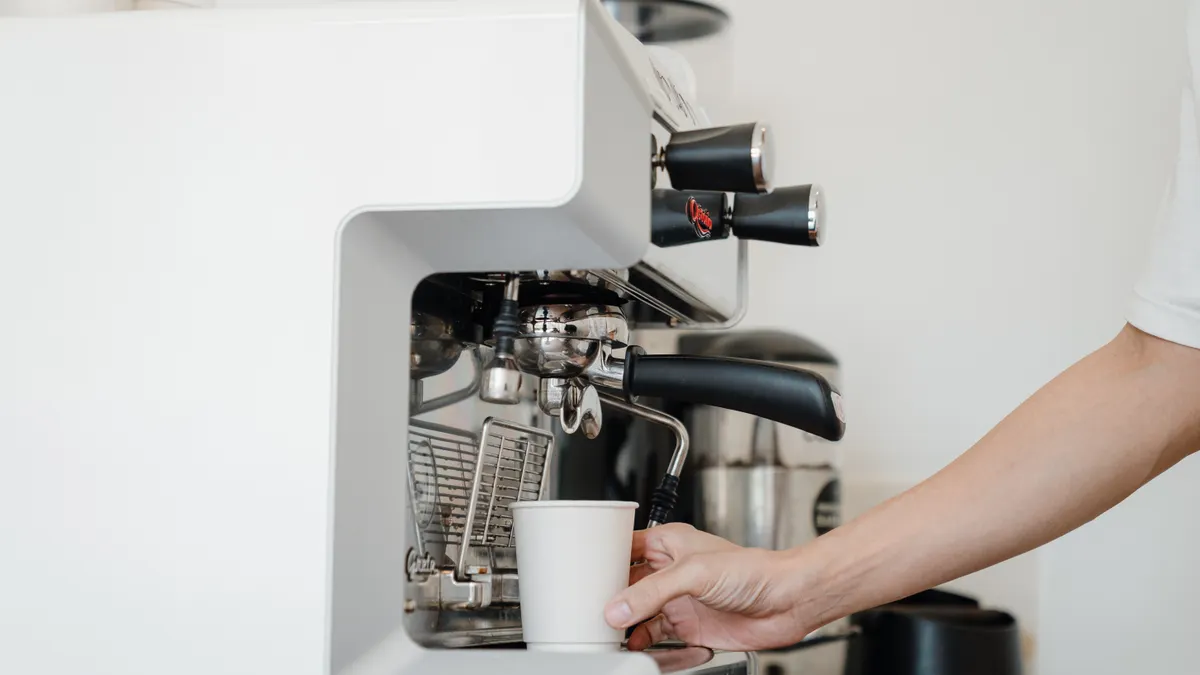
Your budget should cover three layers: the machine, the grinder, and the day-to-day supplies that keep the drink consistent. A lot of first-time buyers fixate on the espresso machine and miss the grinder, which is where bad shots often start.
The truth is, a Home Espresso Buying and Budgeting Guide can be modest or expensive without changing the logic. A low-cost machine with a weak grinder can make sour, uneven espresso. A better grinder on a simple machine often improves the cup more than a fancier machine with a poor grinder.
Here’s the catch:
- The machine makes heat, pressure, and steam.
- The grinder controls grind size, which controls flow.
- Water quality affects scale, taste, and maintenance.
- Beans go stale, so coffee itself is a recurring cost.
A sensible budget plan has four buckets:
- Entry machine
- Grinder
- Accessories
- Ongoing consumables
If you only budget for the machine, you may still end up with a setup that pulls inconsistent shots. That mistake is common. It’s also expensive to fix later.
What people forget to price in
Most beginner lists stop at the machine box and the bag of beans. That leaves out tools that matter the first week and still matter a year later, like a scale, tamper, and cleaning supplies.
Common add-ons include:
- A burr grinder, not a blade grinder
- A scale that measures small doses
- A milk pitcher if you make lattes or cappuccinos
- Water filters or treatment, depending on your tap water
- Descaler and backflush cleaner if your machine needs it
For safety, consult the machine manual or a qualified technician before buying cleaners or water-treatment products, because the right choice depends on the model and your water. The U.S. Environmental Protection Agency’s drinking water guidance and product manuals are useful starting points.
Which machine type fits your budget?
The machine type that fits your budget is the one that matches your tolerance for workflow, tinkering, and steam power. Manual lever machines cost less in hardware and can make excellent espresso, but they ask more of the person using them.
A basic pump machine is the usual middle path. It gives you more repeatability than a manual machine and less hassle than a full prosumer setup. A heat exchanger or dual boiler machine makes more sense when milk drinks are a daily habit, because steam availability changes the pace of the whole kitchen.
Picture this: you want espresso before work, the sink is already busy, and you don’t want a long warm-up or a learning curve that turns every shot into a science project. That is where the machine type matters more than the brand name.
Manual lever machines
Manual lever machines suit people who want low upfront hardware and do not mind technique. They also fit tiny counters. Flair-style machines, for example, are built without a boiler, which keeps the footprint small and removes a major point of complexity.
Their weakness is just as clear: pressure and flow depend on you. If you want push-button repeatability, this is not the easy road. Shot-to-shot consistency can suffer until your grind, dose, and puck prep are tight.
Who Should Skip This: the person who wants steam milk every morning should look at a pump machine like the Gaggia Classic Pro or a dual boiler setup instead.
Buy this if: you are a single drinker, want the lowest hardware cost, and can accept manual workflow.
Skip this if: you make milk drinks daily or want a machine that hides user error.
Single-boiler pump machines
Single-boiler pump machines are the middle ground for most homes. They let you learn espresso with more repeatability, and many use a standard-style portafilter that teaches useful habits.
Their drawback is workflow. Brewing and steaming often happen one after the other, not at the same time. That means a cappuccino routine can feel slower than you expected, especially in a busy kitchen.
Who Should Skip This: a household making several milk drinks back to back should consider a dual boiler instead.
Buy this if: you want a serious learning platform and mostly drink straight espresso or one milk drink at a time.
Skip this if: you need speed during the morning rush.
Dual boiler and prosumer machines
Dual boiler machines win for speed and output. They separate brew and steam functions, so the machine can keep up when more than one person wants a drink.
The downside is obvious: cost, size, and complexity. These machines take up more counter space, usually demand more attention to water quality, and can be more machine than a casual drinker needs. A huge machine is a bad fit if you only pull a shot on weekends.
Who Should Skip This: the casual espresso drinker with one drink a day will usually be happier with a simpler pump machine.
Buy this if: you make multiple milk drinks, care about workflow, and have the budget and counter space for a larger machine.
Skip this if: you want a compact setup or a one-drink routine.
How much should the grinder budget be?
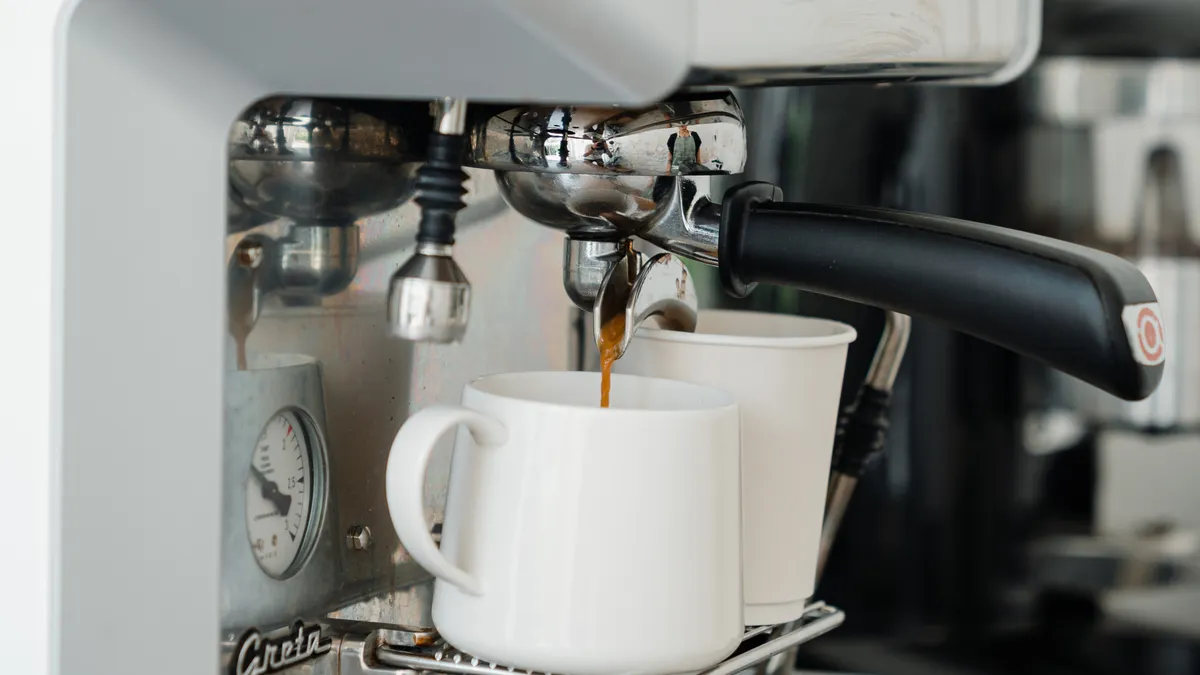
The grinder budget should be treated as part of the espresso machine budget, not as an afterthought. Espresso needs a narrow and controllable grind range, and that is where many cheap grinders fall apart.
A blade grinder is the wrong tool for espresso. It produces inconsistent particle sizes, and the resulting shot can be difficult to dial in. That often leads to channeling, bitter spots, and sour runs, sometimes in the same cup.
The right grinder does three things:
- Produces fine, even grounds
- Adjusts in small enough steps for espresso
- Holds settings without drifting
Picture this: your espresso machine is capable, the beans are fresh, and the shot still gushes through in seconds. The culprit is often the grinder, not the machine.
Burr grinder priorities
For espresso, burr shape matters less than consistency and adjustment control at the beginner level. Stepped grinders can work if the steps are fine enough. Stepless grinders give more control, but they can be less intuitive for a first setup.
A budget grinder should still let you move in small increments. If the steps are too coarse, you may struggle to land in the sweet spot between under-extracted and over-extracted shots.
Common grinder mistakes:
- Buying a blade grinder for espresso
- Choosing a grinder with coarse steps only
- Ignoring retention, which wastes coffee and muddies dose consistency
- Pairing a strong espresso machine with a weak grinder
A good grinder can improve the cup even if the machine itself is plain.
What accessories are actually worth paying for?
The accessories worth paying for are the ones that improve consistency, not the ones that just look serious on the counter. A scale, tamper, and milk pitcher are useful. Decorative knock boxes and matching trays can wait.
A scale matters because espresso is dose-sensitive. A tamper matters because puck prep affects water flow. A pitcher matters if you steam milk. Those three tools pull real weight from day one.
Here’s a simple priority list:
- Scale
- Tamper
- Milk pitcher
- Cleaning tools
- Distribution tools
- Cosmetic extras
If your budget is tight, skip the decorative extras first. A good scale and grinder do more for taste than a drawer full of accessories.
Cleaning gear is not optional
Cleaning gear deserves a line in the budget because espresso machines foul over time. Coffee oils build up, water leaves scale, and milk residue turns into work if you ignore it.
The machine manual usually tells you what cleaning steps it needs. Some machines want backflushing. Some need descaling. Some need both, and the wrong cleaner can damage parts if used carelessly. Check the manufacturer’s instructions before you buy chemicals.
Where do the hidden costs show up?
The hidden costs show up in water, beans, electricity use, and replacement parts. People usually budget for the visible box and forget the recurring pieces that keep the setup usable.
Water matters because hard water can scale a boiler and group head, while very soft water can taste flat and may not protect equipment well. The exact ideal depends on the machine and your local water, which is why many owners end up filtering or treating water in some form. For that reason, consult the machine manual or a water professional if you are unsure about your local supply.
Beans are another recurring cost. Espresso uses a lot of attention on a small dose, so stale beans cost you taste right away. Buying smaller bags more often can make more sense than stocking up.
Maintenance costs also matter:
- Descaling, if your machine requires it
- Backflush detergent, where applicable
- Replacement gaskets and shower screens
- Burr replacement on the grinder over time
On the flip side, a simpler machine can have fewer service points. Fewer features often means fewer parts to clean or fail.
Counter space is a budget item too
Counter space has a cost because a machine that never gets used is money wasted. Measure the footprint before you buy, and remember that lid clearance, hopper height, and cup height all matter.
A small kitchen often works better with a compact machine and a separate grinder you can move. A large kitchen can support a bigger workflow station. The wrong size setup becomes annoying fast.
What does a starter setup actually look like?
A starter setup should be simple enough to learn on and good enough not to hold you back in six months. That means the machine, grinder, and tools should fit one clear routine.
For a basic home espresso path, the likely shape is:
- One machine
- One espresso-capable grinder
- One scale
- One tamper
- One milk pitcher if needed
- Cleaning supplies matched to the machine
The machine choice depends on what you drink most. Straight espresso favors simplicity. Milk drinks favor steam power and workflow. A split house, where one person wants espresso and another wants cappuccino, often needs more capacity than the first buyer expects.
Picture this: you make one shot in the morning, a second on the weekend, and maybe a latte when friends visit. That is not the same use case as a household that steams milk three times before school runs.
A smart starter plan by drink habit
- Straight espresso only: prioritize grinder quality and a simple pump machine.
- Mostly milk drinks: prioritize steam ability and recovery time.
- Occasional use: avoid overspending on a machine that needs daily attention to stay dialed in.
- Heavy use: focus on build quality, parts availability, and easier cleaning.
The honest trade-offs between cheap and expensive setups
A cheap setup saves cash up front, but it often asks for more user skill and gives less repeatability. A more expensive setup can make the morning easier, but only if the rest of the system keeps up.
Here’s the real split:
- Cheap machines often have less stable temperature control.
- Cheap grinders often miss the fine adjustment espresso needs.
- Expensive machines can be oversized for light use.
- Expensive gear may still need good technique.
A common mistake is thinking a pricier machine alone will fix extraction. It will not. Espresso responds to grind, dose, distribution, tamp, water, and temperature as a system.
You do not have to solve everything at once. Start with the part that blocks your current coffee most.
When to spend more
Spend more when one of these is true:
- You make espresso every day.
- You make milk drinks often.
- You know you enjoy espresso and want a machine you can grow into.
- Your current setup already proves the bottleneck is equipment, not habit.
Spend less when:
- You are still learning whether espresso at home is a real routine.
- Counter space is tight.
- You only drink espresso once in a while.
- You would rather keep money free for beans and maintenance.
Which home espresso path is right for your budget?
The right path is the one that matches your drink volume and tolerance for learning, not the one with the flashiest feature list. A manual setup wins for low entry cost and small kitchens. A pump machine wins for most beginners. A dual boiler wins when speed and milk drinks rule the day.
Picture this: you’re comparing shiny machines online and wondering which one gives you the most for the money. The answer is not the most features. It is the machine that solves your actual morning.
The verdict
Choose Flair Neo if you want the lowest hardware footprint, mostly drink straight espresso, and can live with manual extraction. Choose Gaggia Classic Pro if you want a durable learning platform with a real pump-machine workflow and better long-term room to grow. Choose Breville Dual Boiler if you make multiple milk drinks, care about simultaneous brewing and steaming, and have the budget and counter space for a larger machine. Neither if you are still deciding whether espresso at home is a habit or a passing interest.
When should you rethink the whole purchase?
You should rethink the whole purchase if your real goal is convenience, not espresso. A pod machine, a drip brewer, or a café habit may fit better if you want speed above all else.
A home espresso setup makes sense when the ritual itself matters and you are willing to maintain the equipment. If you do not want to dose, grind, clean, and adjust, even a good machine will feel like homework.
Another reason to pause is water. If your tap water is extreme in hardness or taste, budget for treatment first or choose gear that fits the water you actually have. That decision can matter as much as the machine.
Signs you are overbuying
- You only make espresso a few times a month
- You hate cleanup
- You want one button and no learning curve
- Your counter is already full
- Your budget cannot cover both grinder and machine
That last point is the giveaway. A strong machine with a weak grinder is a lopsided purchase.
How do you keep the budget from drifting?
You keep the budget from drifting by deciding your ceiling before shopping and by treating the grinder as non-negotiable. Without that, add-ons and upgrades creep in fast.
A practical approach is to separate spending into needs and nice-to-haves:
- Needs: machine, grinder, scale, tamper, cleaning supplies
- Nice-to-haves: wood accents, bottomless portafilters, matching trays, accessory kits
That split helps because espresso gear is full of tempting extras. Many of them do not improve the cup much. Some help workflow. Most just change the look.
The budget problem usually starts with emotional shopping. A clear list keeps the setup grounded in use, not hype.
A simple budgeting rule
If you have to choose, protect these first:
- Grinder quality
- Machine fit for your drink style
- Basic cleaning supplies
- Scale and tamper
Everything else can wait until the espresso habit proves itself.
FAQ
How much should I spend on a beginner espresso setup?
Spend enough to cover both a real espresso-capable grinder and a machine that fits your drink style. A cheap machine with a weak grinder usually disappoints, while a modest machine with a good grinder can make very solid espresso. The right budget depends on your daily use, counter space, and whether you make milk drinks.
Do I really need an expensive grinder for home espresso?
You need an espresso-capable grinder more than you need a fancy machine. Espresso grind is narrow and unforgiving, so coarse adjustment steps or uneven grinding will show up in the cup. If the budget is tight, protect the grinder first.
Is a manual espresso machine worth it for beginners?
A manual machine can be worth it if you want low hardware cost, a small footprint, and you do not mind learning by feel. It is not the best choice if you want steam milk often or want push-button consistency. Manual machines reward patience and punish shortcuts.
What hidden costs should I expect after buying the machine?
Expect to pay for beans, water treatment or filtration, cleaning supplies, and replacement parts over time. Espresso machines also need maintenance that depends on the model and your water quality. Those recurring costs are part of the real budget, not extras.
Should I buy a more expensive machine now or upgrade later?
Buy the more expensive machine now only if you already know your espresso habit is real and your drink volume justifies it. If you are still learning, a simpler machine can be the smarter budget move because it leaves room for beans, a better grinder, and maintenance.
Drafted with AI; not yet reviewed by a person.