Espresso Machine Warm-Up Time and Power Consumption
Last updated: November 14, 2026
Quick answer: for Espresso Machine Warm-Up Time and Power Consumption: Practical Daily Running Costs, start by timing a 20-minute warm-up window, then measure the machine with a watt-hour meter instead of guessing from the label.
Key Takeaways
- A boiler can be ready before the brass group head, so the machine may still pull a sour shot.
- Running cost comes from heating up and staying hot between shots.
- Track your own routine, read the meter, and convert watt-hours to your local electricity price.
- Machines waste the most power when they warm slowly, lose heat, and stay hot after the last shot.
Espresso machine electrical efficiency in Espresso Machine Warm-Up Time and Power Consumption: Practical Daily Running Costs is mostly about warm-up time, not just wattage. A machine that reaches thermal equilibrium faster and idles smarter usually costs less to run. This guide shows what changes the bill, what the numbers mean, and where the hidden waste comes from.
Who this applies to, and what it assumes
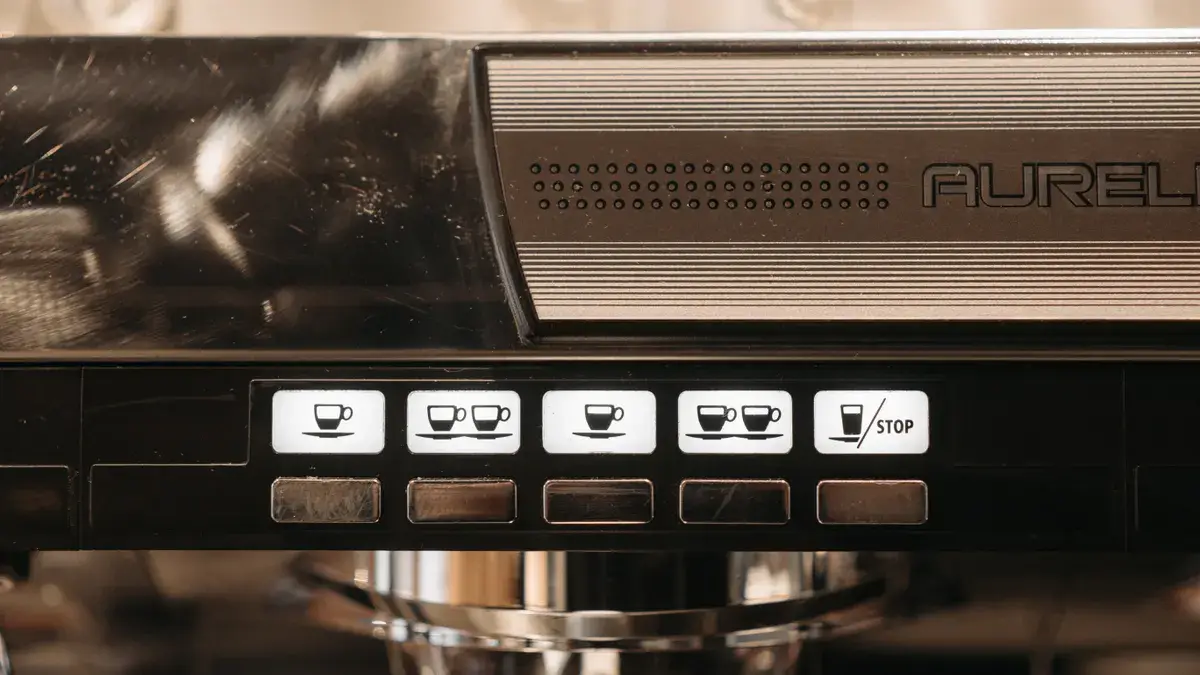
This applies to a home user who already owns an espresso machine, or is trying to understand daily running costs before buying one. It assumes you know the basics of brewing and that you can read the machine’s label, especially its heating element wattage and whether it has a boiler, thermoblock, or dual boiler.
This is information rather than financial advice, and a qualified adviser should be consulted for your own situation if electricity rates, appliance use, or household budgeting decisions matter in a larger plan. Rates and billing rules differ by country and change often, so the same machine can cost different amounts to run in different homes.
A useful starting point is a simple watt-hour meter. Plug the machine into the meter, run your normal routine for a few days, and read the actual energy use instead of guessing from the nameplate. If you only look at rated watts, you miss warm-up losses, idle draw, and the effect of leaving the machine on for an hour after the shot.
- A 1,000–1,500 watt label tells you the heater size, not the whole daily cost.
- Standby mode can still draw power.
- Thermal equilibrium matters more than boiler temperature alone.
For broader machine selection, this page supports the hub on how to choose a home espresso machine, but it stays focused on running cost, warm-up, and daily power use.
How long does an espresso machine really need to warm up?
An espresso machine really needs long enough for the boiler, group head, portafilter, and surrounding metal to reach a stable brewing state, and it is often longer than the light on the machine suggests. A boiler can be hot while the brass group head is still catching up, which is why a machine can look ready and still pull a sour shot.
Picture this: you switch the machine on, wait for the heater light to click off, then brew right away because the water is hot. The cup can still disappoint, because the mass of the group and the portafilter may not yet be at thermal equilibrium. That is the gap this section is about.
For an E61 warm up duration, the common complaint is not the boiler; it is the heavy metal group that needs time to soak through. In practical home use, the warm-up window is often measured in tens of minutes, not seconds, because the group head, dispersion path, and portafilter all need heat too.
- Boiler water reaching temperature does not mean the brew path is ready.
- A cold portafilter can pull heat out of the brew water.
- A warm cup and warmed filter basket reduce the shock.
What actually drives the electricity bill?
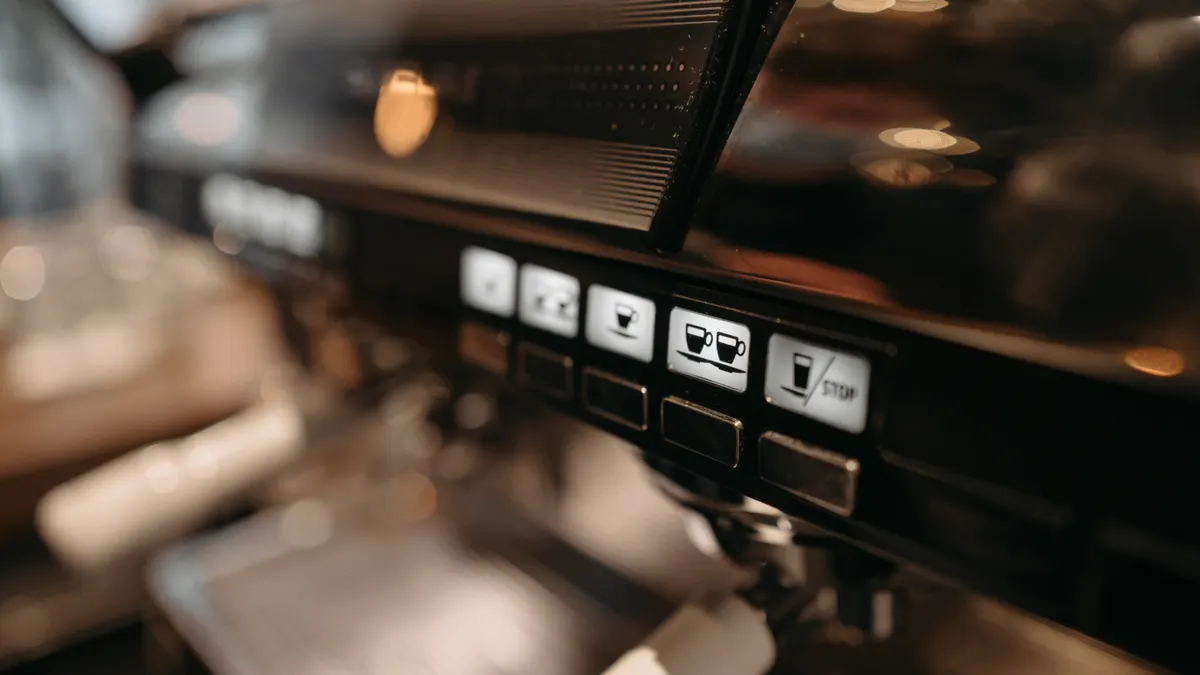
The bill comes from two things: the energy used to heat the machine up, and the energy used to keep it hot while it waits. A machine with a large boiler and a strong heater can heat quickly, but it may also cycle more power in idle if the body loses heat fast.
Here’s the catch: boiler insulation efficiency changes the daily cost without changing the shot quality at all. Better insulation means the heater runs less often once the machine is hot. Poor insulation means the machine keeps topping itself up every time the temperature drifts down.
A few parts matter most:
- Heating element wattage — higher wattage can shorten recovery time, but it does not guarantee lower daily use.
- Boiler size and material — more metal and water take longer to warm.
- Machine design — heat sinks, exposed brass, and steam boiler layout all affect loss.
- Standby mode — some machines reduce draw but still stay warm enough for quicker use.
- Use pattern — two shots in 15 minutes is a different load from one drink an hour.
The cleanest way to compare machines is with a watt-hour meter over a normal morning, not just a quick glance at the specification sheet.
If you want a source for energy math and appliance labels, the U.S. Department of Energy’s home appliance guidance covers appliance energy use, and Energy Star explains standby power in plain terms.
How do you measure real daily running costs?
You measure them by timing your own routine, reading the meter, and converting the used watt-hours into your local electricity price. The machine’s label gives the heater size, but the meter tells you what your habits cost.
Picture this: you brew two drinks, forget the machine on, and only notice it at lunch. That extra idle time can dwarf the actual brew energy. The truth is, daily cost is as much about behavior as hardware.
Use this simple process:
- Plug the machine into a watt-hour meter. Start with the machine cold and note the meter reading at zero. Verify the display resets cleanly. If it won’t reset, the reading is useless.
- Record the warm-up period. Turn the machine on and wait until it is ready for your normal workflow. Verify the heater light, pressure gauge, or ready signal. If the ready signal comes before the group feels stable, the machine may still be climbing toward thermal equilibrium.
- Run one normal brew cycle. Include your usual flushes, preheating, and steaming if that is part of the routine. Verify the meter changes after each action. If the draw is erratic or the machine stalls, something is off with the heating cycle.
- Leave the machine in standby or idle. Keep it on for the same window you usually use at home, such as 20 minutes or longer. Verify whether the heater cycles on and off or stays nearly constant. If idle draw stays high, the machine is bleeding energy.
- Repeat with your real day, not an ideal day. Do this on a workday and a weekend if your habits differ. Verify the total watt-hours before turning it off. If the numbers swing a lot, your routine is the biggest variable.
- Convert watt-hours to cost. Multiply the meter reading by your local rate per kilowatt-hour. Verify the unit conversion: 1,000 watt-hours equals 1 kilowatt-hour. If the result looks wildly high, check that you did not mix watts with watt-hours.
- Compare warm-up and idle separately. Split the total into start-up energy and hold energy. Verify which part is larger. If idle dominates, the machine’s insulation or your on-time is the problem.
The best part is that you do not need a lab setup. A household meter, a timer, and a normal routine tell you more than a glossy spec sheet.
Which machines waste the most power while sitting there?
Machines waste the most power when they have long warm-up times, poor insulation, and a habit of staying hot long after the last shot. Dual boilers and heavy commercial-style machines can be efficient in use, but they are not free to leave on for hours.
Picture this: you want café-like recovery and steam power, so you leave the machine hot from breakfast until noon. That may be fine for workflow, but it is not the same as using it only for a five-minute morning window. The running cost follows the hours, not the mood.
The usual energy drains are easy to spot:
- Large thermal mass: thick metal parts take longer to heat.
- Poor insulation around the boiler: more cycling, more loss.
- No true sleep mode: the machine stays at full temperature all day.
- Frequent flushing: extra hot water goes down the drain and must be reheated.
- Steam boiler left active: steam pressure costs energy even when you only want espresso.
One mistake is blaming the wattage alone. A lower-watt machine can still cost more if it takes forever to warm up and leaks heat all morning. Another is assuming that “eco” means “cheap.” It may just mean the machine drops to a lower temperature and needs time to recover.
What about smart plugs and scheduling?
A smart plug can help with espresso machine scheduling, but only if the machine is suitable for it and the plug is rated properly for the load. It is not a magic fix; it is a timer with a network app.
Picture this: you want the machine ready at 7:00 a.m. without leaving it hot all night. A smart plug can start it before you walk into the kitchen, which shifts the warm-up cost to a predictable window. The catch is that the machine still needs enough time to reach thermal equilibrium.
Use a smart plug only with these checks:
- Confirm the machine’s power draw stays within the plug’s rating.
- Check the manual for any warning about timed power cuts.
- Allow enough lead time for warm-up, especially on an E61 group.
- Avoid rapid cycling off and on, which can stress electronics.
- Keep the machine in a dry spot where the plug and cord are not exposed to steam.
A smart plug works best for people with a fixed morning routine. It is a poor fit for anyone who drinks espresso at random times all day, because repeated heat-up cycles can erase the savings and make the machine less convenient.
For an energy-minded reader, this is where the advice links back to appliance fundamentals. The U.S. Department of Energy’s home appliance guidance and Energy Star’s standby power material are good reference points for how idle draw adds up over time.
When does the usual advice stop fitting?
The usual advice stops fitting when your machine design, your schedule, or your electricity rate makes the simple warm-up story incomplete. In those cases, the right question is not “How fast does it heat?” but “How often does it need to stay hot?”
Single-shot mornings: If you make one drink and leave, long warm-up plus long idle time means the machine spends more time waiting than brewing — use a schedule or switch-off habit instead.
All-day office use: If several people drink from the same machine over hours, standby loss matters less than recovery time — a machine that stays ready may make more sense operationally.
Heavy steaming use: If milk drinks are the norm, a steam boiler can raise energy use even when espresso-only figures look modest — compare the full routine, not just one shot.
Poorly insulated machines: If the casing feels hot to the touch for long periods, heat loss is likely high — the machine may be working harder just to stay ready.
Unstable routines: If you brew at random times, smart scheduling helps less — a manual on/off habit may be simpler than automation.
The honest limitation is this: there is no universal “cheap” espresso machine to run. A machine can be electrically efficient in one home and wasteful in another, depending on how often it is used and how long it sits hot.
The mistakes that distort the numbers
The biggest mistakes are simple, and they can make a machine look better or worse than it really is. Most of them come from measuring the wrong thing.
Picture this: you read the box, see a watt rating, and assume that is the bill. It is not. That number is only one part of the total.
- Using watts instead of watt-hours — watts are power, not total energy. The fix is to read the meter over time.
- Stopping the clock when the light goes off — the machine may still be warming the group head. The fix is to judge brew stability, not just the indicator.
- Ignoring idle time — leaving the machine on for an extra hour can matter more than the first shot. The fix is to separate warm-up from hold time.
- Skipping flushes and preheats in the measurement — your real routine includes them, so the cost should too. The fix is to measure the routine you actually use.
- Assuming standby means off — standby mode often still uses power. The fix is to read the manual and the meter.
- Comparing machines with different usage patterns — a machine used three times a day should not be judged against one used once. The fix is to compare on the same schedule.
The better alternative is boring but reliable: meter it, time it, and match the measurement to your own habits.
FAQ
How much electricity does an espresso machine use per day?
It depends on warm-up time, idle time, and how often you brew. A machine with a higher heating element wattage can use more power during start-up, but a well-insulated model may use less over the whole day if it holds heat well. A watt-hour meter is the cleanest way to find your own daily number.
Can you leave an espresso machine on all day?
Yes, many people do, but that does not mean it is the lowest-cost option. Leaving it on all day increases the time it spends in standby mode or full heat, and that can raise running costs. If your routine has long gaps, a timer or manual shutoff may fit better than constant heat.
Is a smart plug safe for an espresso machine?
It can be, if the plug is rated for the load and the machine’s manual does not warn against timed power cuts. The machine still needs enough time to warm up, and the plug should not be used to cycle power rapidly. If the machine draws near the plug’s limit, choose a different control method.
Why does my machine need longer than the ready light shows?
Because boiler water and the brew path do not heat at the same speed. The boiler may hit temperature first, while the group head and portafilter are still below thermal equilibrium. That gap is common on heavy machines, including many E61 setups, and it affects shot consistency as well as perceived warm-up time.
Drafted with AI; not yet reviewed by a person.