Last updated: November 21, 2026
Quick Answer: Use 3 controlled steps—drain, descale, and rinse—so loosened scale does not damage the boiler or internal sensors. Safe descaling means using the right acid, the right dilution, and a slow rinse so loosened scale does not shred boiler metal or clog tiny internal paths. For a home espresso setup, that means treating the boiler, the giga-valve, heat exchanger siphons, and sensor ports as fragile parts, not just pouring cleaner through and hoping for the best. In this guide to How to Descale a Home Espresso Machine Safely: Protecting Boiler Metal and Internal Sensors, the focus stays on preventing damage, not chasing the strongest cleaner. For related upkeep, see espresso machine maintenance, how to clean an espresso machine, and how to backflush an espresso machine.
Key takeaways
- Use a descaler matched to the boiler material, especially if the boiler is aluminum.
- Move slowly so broken scale does not travel into a 0.5 mm gicleur or other narrow passage.
- Citric acid and sulfamic acid do the same job in different ways; neither is a free pass.
- A ph test strip helps confirm the rinse water is no longer acidic.
- If the boiler drain plug is available, it gives a cleaner path for draining loosened debris.
What makes espresso boiler descaling risky?
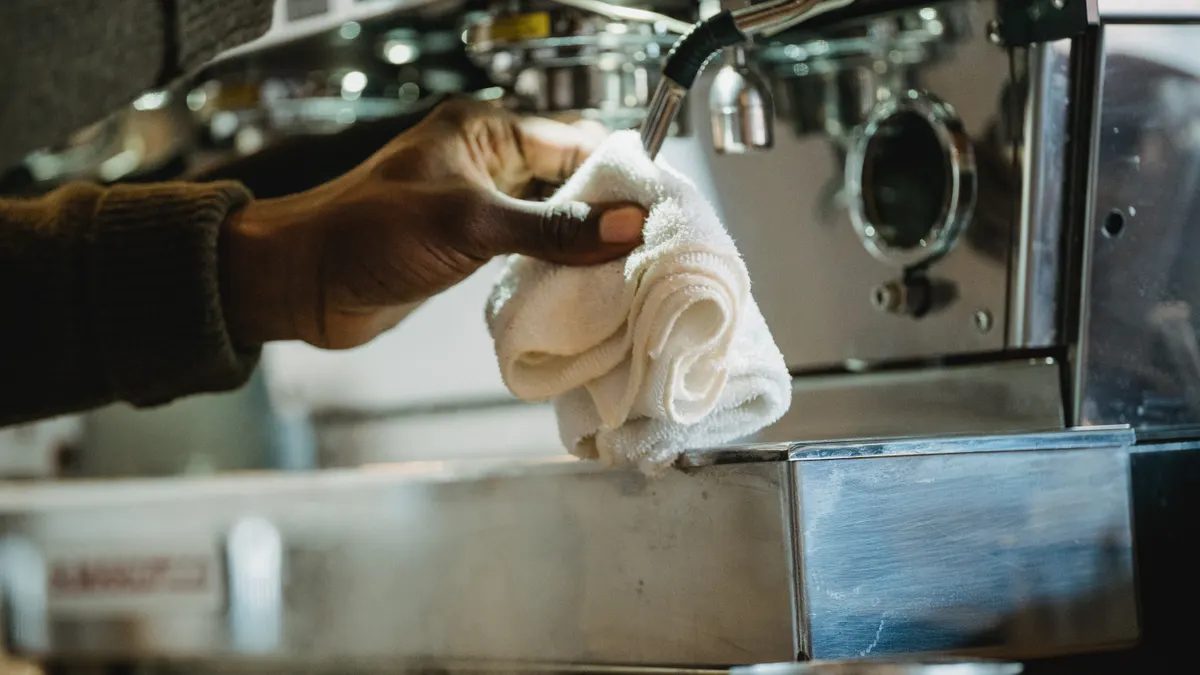
However, espresso boiler descaling is risky because scale does not always leave as dust; it can break off in hard sheets and move into places that are much smaller than the boiler itself. Those flakes can lodge in a 0.5 mm gicleur, a giga-valve passage, or a heat exchanger siphon and change flow in a way that looks like a pump problem.
The second risk is the metal itself. Aluminum boiler descaling is more delicate than stainless or brass, since aggressive acid, long contact time, or repeated treatment can attack the metal surface. If the boiler is aluminum, consult the owner’s guide or a qualified technician before using a stronger descaler; manufacturer instructions should come first. That is why a “stronger is better” mindset is wrong here. A mild, controlled soak usually beats a harsh one. For general cleaning guidance, follow the appliance instructions and product label, as recommended by manufacturers and sources such as NSF International’s equipment-cleaning guidance and coffee equipment maker instructions.
Internal sensors need respect too. A level probe, temperature sensor, or other boiler-mounted part can pick up residue if the solution sits too long or if dislodged scale gets trapped around it. The goal is not only to dissolve mineral buildup, but to keep the dissolved material moving out of the system.
Because of that, a safe plan also depends on the style of the brewer. Heat exchanger siphons route water differently than a simple single-boiler path, so the same flush that works on one setup can move debris into a more awkward place on another. The safest method is usually the one that keeps loosened scale from making a second problem, especially when the machine has narrow passages or a drain path that can be used in stages.
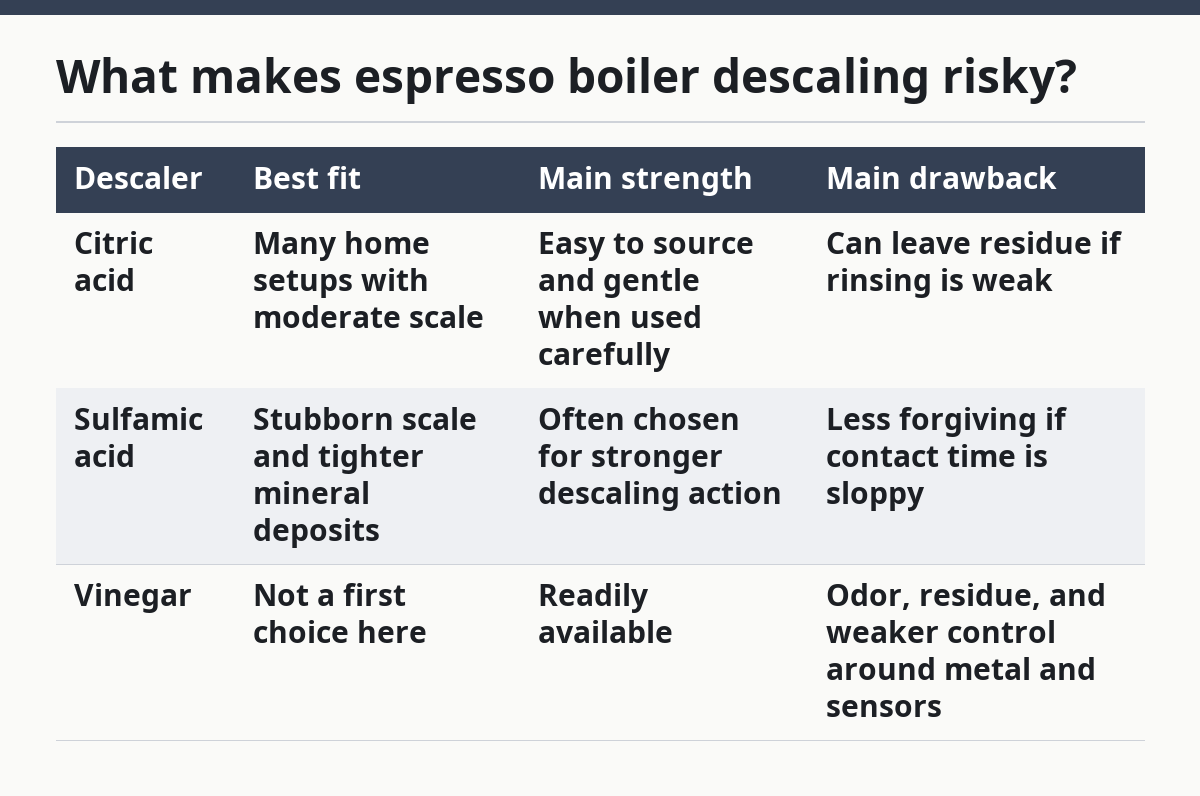
| Descaler | Best fit | Main strength | Main drawback |
|---|---|---|---|
| Citric acid | Many home setups with moderate scale | Easy to source and gentle when used carefully | Can leave residue if rinsing is weak |
| Sulfamic acid | Stubborn scale and tighter mineral deposits | Often chosen for stronger descaling action | Less forgiving if contact time is sloppy |
| Vinegar | Not a first choice here | Readily available | Odor, residue, and weaker control around metal and sensors |
Which descaler should I use?
Overall, the better choice is usually the one your boiler material and maker guidance can tolerate, not the one that smells strongest. For a home espresso machine, citric acid is often the gentler pick, while sulfamic acid is the more assertive option when scale is stubborn.
Citric acid is easier to handle in a kitchen setting and is less likely to feel harsh during a short contact time. That does not make it harmless; it still needs a full rinse, and it still needs to be kept from sitting too long on aluminum boiler parts.
Sulfamic acid can be useful when mineral buildup has hardened and the system needs a more serious cleaning. The trade-off is that it gives less room for error. If the contact time drifts long or if the rinse is thin, the risk to boiler metal goes up.
Vinegar is a bad shortcut for this job. The smell lingers, the rinse burden is higher, and it is a poor match for a careful boiler descaling routine when internal sensors and narrow passages are part of the equation. A purpose-made descaler is the safer route, and the machine cleaning guide should match the product label used.
How do I descale the boiler without breaking loose scale?
Then, I would descale the boiler slowly, drain it fully, and rinse until the rinse water and ph test strip show the acid is gone. The goal is to dissolve mineral scale without letting large flakes race through the system at once.
-
Unplug the unit and cool the boiler with a towel before opening anything.
Use a dry towel and let the metal reach a safe handling state, then open the case or access panel only if the design allows it. This lowers the chance of a burn and keeps you from cracking seals while parts are still hot. -
Remove water with the boiler drain plug or tank access.
Use the boiler drain plug if the design has one, or empty the reservoir and pull remaining water through the normal path. A cleaner drain keeps loosened material from sitting in the bottom of the boiler and resettling. -
Mix the descaler in the container the label calls for, then fill the boiler path.
Use a measuring cup or the product’s own mix ratio, and stop at the recommended fill point rather than flooding the system. A controlled fill gives the acid contact with scale without pushing it into every side chamber at once. For label-based directions, follow the product instructions and the maker’s care page. -
Let the solution sit only as long as the label allows.
Use a timer and avoid the urge to “double the soak” for better results. Longer contact can help scale release, but it also increases the chance of attacking boiler metal and softening parts you want left alone. -
Run short, separated flushes through the brew path and steam path.
Use the brew switch, steam valve, and any manufacturer cleaning mode in brief cycles rather than one long blast. Short cycles move loose flakes out in stages, which lowers the chance of a clog in a gicleur or siphon. -
Drain again and inspect the expelled water for grit.
Use a white cup or tray so you can see visible particles, then empty the system completely. Seeing grit here is normal; seeing it again after multiple rinses means the rinse phase is not done. -
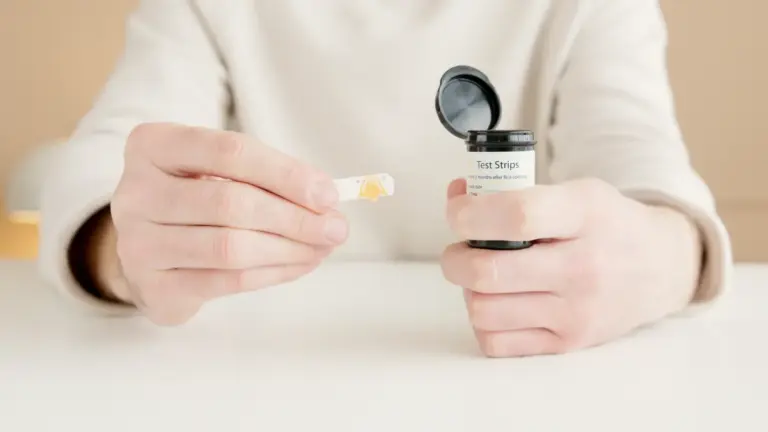
Rinse with fresh water until a ph test strip reads neutral for the rinse water.
Use a ph test strip on the last rinse water, not just taste or smell, because acid can hide after the first flush. A neutral reading is the practical sign that the boiler and lines are no longer carrying a strong acidic residue. -
Cycle the steam wand and brew circuit once more after the rinse.
Use fresh water and a brief final cycle to clear the last traces from valves, passages, and sensor-adjacent areas. This final pass helps protect internal sensors from residue that can dry in place.
This order matters. The common mistake is dumping descaler in, waiting too long, and then forcing a full flush. That can break calcified sheets off the boiler wall and send them straight toward narrow parts. Slow release is safer than one dramatic cleanup.
How do I keep loose scale from clogging narrow parts?
Because loose scale stays out of trouble when you give it a path to leave in small pieces instead of one big burst, controlled draining and short flushes matter more than force. That means controlled draining, short flushes, and a final rinse that does not end early.
The most vulnerable spots are small passages, not the main tank. A 0.5 mm gicleur can trap debris that looked harmless in the cup, and heat exchanger siphons can hold grit in a bend where water flow is weaker. If your setup has a boiler drain plug, use it as part of the cleaning path rather than relying only on the brew outlet.
A filter screen or group head basket does not solve this problem by itself. It catches some debris, but not the particles already traveling through the boiler path. The better defense is volume control: do not blast the system, and do not let the same acidic water sit in the boiler after it has loaded up with loosened scale.
If the machine has a giga-valve or similar internal valve system, treat it as a narrow traffic point and consult the maker if the service manual is unclear. Flakes can settle there and cause inconsistent flow long after the descaling liquid is gone. That is why repeated short flushes beat one long one, and why a maintenance schedule is easier to follow than waiting for a blockage.
What should I do if the boiler is aluminum?
If the boiler is aluminum, choose a gentler descaler and shorten the contact time rather than pushing for a stronger acid bath. Aluminum boiler descaling is where caution matters most, because the metal can be less forgiving than brass or stainless. If there is any uncertainty, consult the owner’s guide or a professional technician before proceeding.
The safest approach is to follow the product label, avoid over-soaking, and rinse thoroughly. Do not assume that more acid gives a cleaner result. It can give you a cleaner smell and a worse boiler.
A ph test strip is useful here because it gives a plain check on the rinse water after you have flushed several times. If the rinse still shows acid, keep flushing with fresh water. Residue left in an aluminum boiler is a bad trade because it can keep reacting after the cleaning step is done.
If the owner’s guide warns against a specific acid, treat that warning as the rule, not a suggestion. Aluminum systems vary more than people expect, and a small mistake can cost more than a replacement bottle of descaler. This is one case where conservative care wins.
What mistakes damage boiler metal or sensors?
The worst mistakes are hot descaling, over-soaking, and rushing the rinse. Those three actions can turn a routine cleaning into metal damage or an internal blockage.
Hot descaling can make acid act more aggressively than intended, especially on aluminum parts. Over-soaking gives loosened scale more time to corrode surfaces and gives residue more time to creep around a level probe or temperature sensor. A rushed rinse leaves acidic water in hidden corners and can dry into crust where you cannot see it.
Another mistake is treating all scale as if it dissolves evenly. It does not. Some deposits stay bonded, then release as larger pieces once the acid reaches a weak point. That is how flakes become a blockage in a narrow passage.
Using the wrong product is also a cost. Vinegar is the easy example, but the broader error is any cleaner that is not meant for espresso boiler descaling. Household acids can be unpredictable around seals, aluminum, and sensor surfaces. A product made for coffee equipment is the safer starting point, and a manufacturer manual plus an external source such as NSF International or an appliance maker’s cleaning guide is a better reference than guesswork.
When this job is not for you, the answer is simple: if the unit has visible corrosion, a suspect electrical fault, or a sensor issue before cleaning starts, stop and get qualified service. Descaling is maintenance, not repair.
Can descaling damage an espresso machine?
Yes, descaling can damage an espresso machine if the acid is too strong, the contact time is too long, or the rinse is incomplete. The boiler metal can be affected, especially with aluminum, and loosened scale can clog narrow passages or interfere with sensors. Careful dilution and short flushes lower the risk.
Should I use vinegar to descale my espresso machine?
No, vinegar is not the best choice for this job. It can leave odor, needs a stronger rinse, and gives less control around boiler metal and internal parts than a purpose-made descaler. Citric acid or sulfamic acid is usually the better path, depending on the boiler material and the maker’s guidance.
Drafted with AI; not yet reviewed by a person.